City Guides
How to Read a City Square Like a Local
By Marta Oliveira · 12 August 2026 · 3 min read
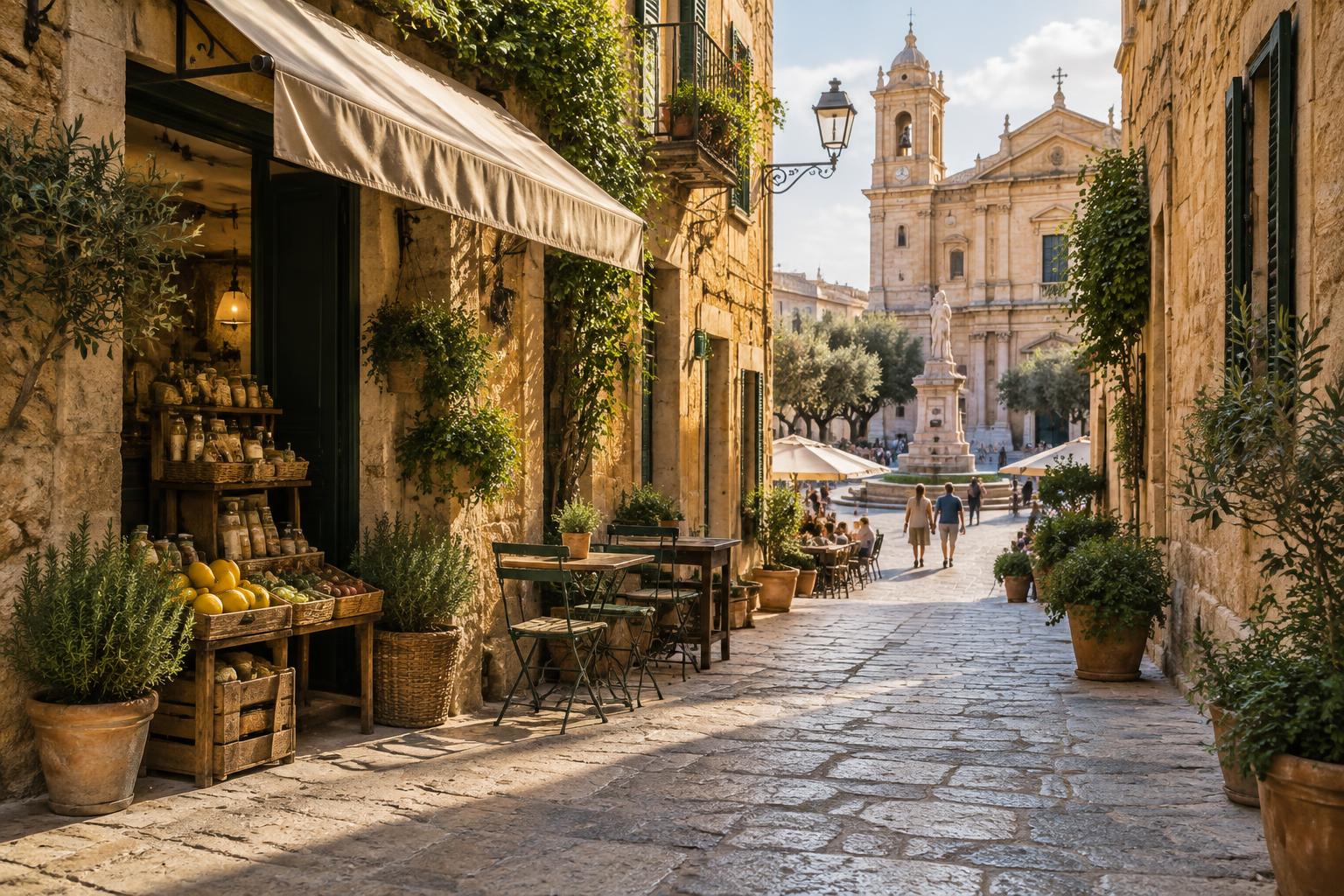
A city square is the closest thing a town has to a living room. Before you spend money, before you book a tour, sit down on a bench for twenty minutes and watch. The square will tell you when people eat, where they walk, which cafe is for tourists and which one is for the person who has been coming since 1978.
Start with the direction of the shade. In warm climates the busiest side of a square in the afternoon is almost always the shaded one, and the cafes there charge a premium for it. If you want the same coffee for a third of the price, cross to the sunny side or step one street back. The quality rarely drops; the view does.
Next, look at what the chairs are facing. Chairs turned outward toward the square are for watching people, and they are usually priced for visitors. Tables turned inward, toward a counter or a television, are where regulars sit. Neither is wrong, but knowing the difference tells you what kind of hour you are about to have.
Pay attention to the hours when the square empties. In many Mediterranean towns there is a long flat stretch in the early afternoon when almost nothing is open. Fighting that rhythm is the fastest way to have a bad day as a traveller. Plan your indoor visits, your long lunch or your nap for that window, and save the square for the golden hour when it fills again.
Finally, walk the perimeter once before choosing where to stop. Most squares have one corner that is quieter, cheaper and better than the rest, and it is almost never the corner nearest the main entrance. Ten minutes of walking buys you a better seat for the next two hours.
A useful habit is the two-visit test. Come back to the same square at a different time of day, ideally mid-morning and again after dark. Notice what changes: who is sitting, which shutters open, when the lights come on, where the noise moves. A square that feels sleepy at eleven can be the neighbourhood's main stage at eight in the evening, and knowing that before you book a table or a room saves a lot of disappointment.
Read the edges as well as the centre. Look at the businesses that ring the square. A pharmacy, a bakery, a bank branch and a hardware shop suggest residents use the square in their daily routine. A ring made up only of souvenir stalls and menus in several languages suggests the square is set up for visitors. Neither is wrong, but each tells you what kind of evening to expect and how to spend your money accordingly.
Notice who is present across the day. Older people on benches in the morning, children after school, teenagers in the early evening and couples later on is the pattern of a square that works for every generation. Squares that are used by all ages throughout the day are generally comfortable places to linger, and they are usually where you will see the most ordinary, unstaged local life.
Understand the difference between free seating and paid seating. A public bench costs nothing. A cafe table on the square is effectively renting you the view, and prices are often higher than the same drink taken at the counter or in a side street. Check the menu before you sit down, and if the price does not suit you, the bench and a takeaway coffee from a street away is a perfectly respectable alternative.
Use the square as an anchor for orientation. Note the tallest building, the direction of the main streets leaving it and the name of the street you came in by. If you get lost later, returning to the square is usually easier than retracing a route, and it makes an obvious meeting point if you are travelling with other people.
Finally, avoid the common mistakes. Do not judge a square from a single visit on a market day or during an event, when it is not behaving normally. Do not take the first free table out of tiredness. Do not block the routes people use to cross, and ask before photographing individuals rather than the scene as a whole. Small courtesies like these are what separate watching a place from intruding on it.
None of this requires research or a reservation. It requires patience, which is the one travel skill that costs nothing and improves everything else you do.