Travel Planning
A Calm Checklist for Planning Your First Trip Abroad
By Daniel Reyes · 5 July 2026 · 3 min read
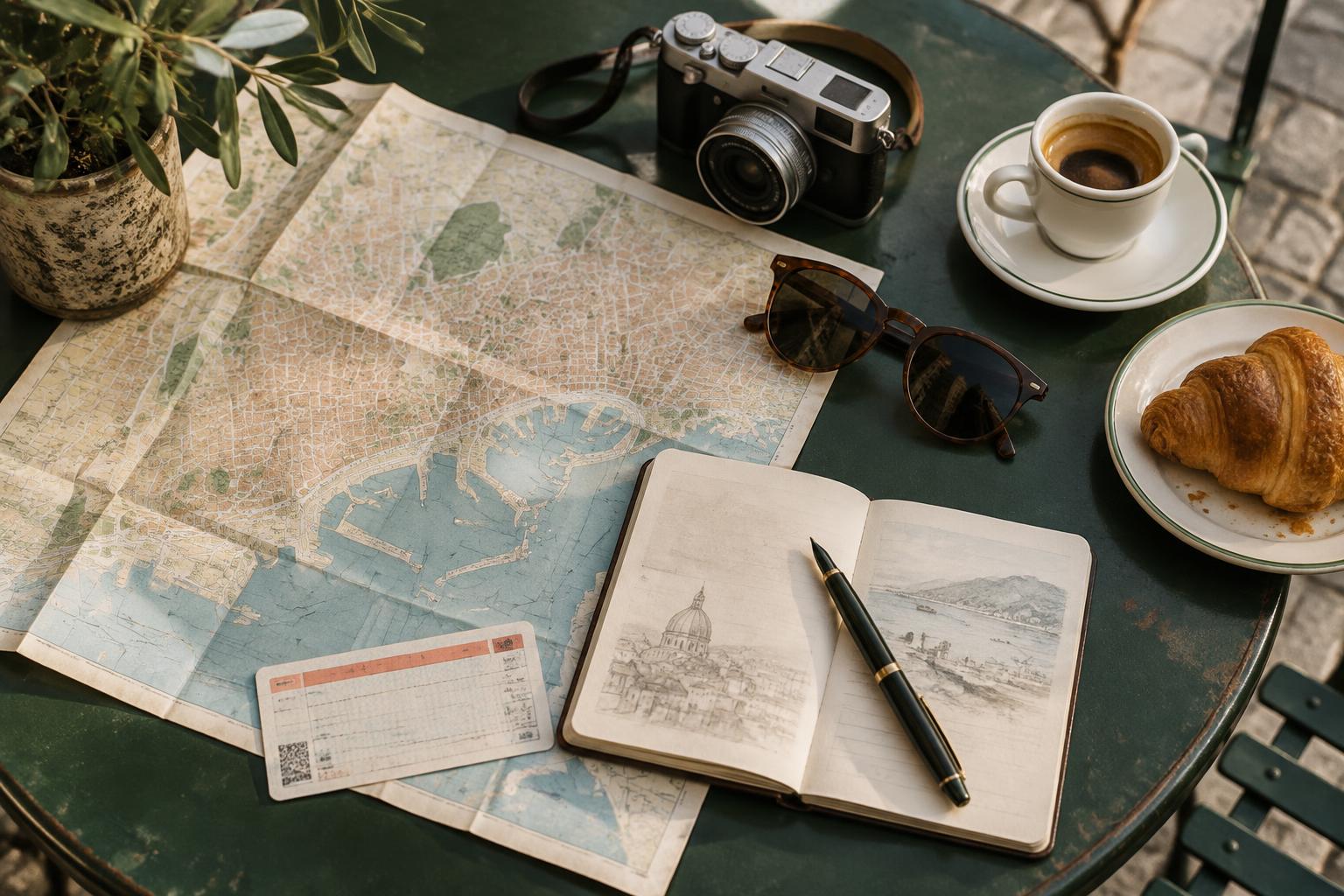
Most first-trip anxiety comes from doing the right tasks in the wrong order. Booking flights before checking passport validity, or planning daily itineraries before knowing how you handle jet lag, creates work you later have to undo.
Start with documents. Check your passport expiry date and the entry rules of the country you are visiting, since many require several months of validity beyond your return date. Confirm whether you need a visa or an electronic travel authorisation, and how long that typically takes to process. This single step determines whether the rest of the plan is even possible.
Second, decide the shape of the trip before the details. How many places, how many nights in each, and whether you are travelling to rest or to see. Write it as a single line: two cities, five nights each, mostly walking. Every later decision gets easier when measured against that line.
Third, book the fixed points: the flights in and out, and the first two nights of accommodation. Leaving the later nights open is not reckless if you are travelling outside peak season, and it protects you from committing to a plan you made before you knew how the place felt.
Fourth, handle money and connectivity. Tell your bank you are travelling, carry a small amount of local currency for arrival, and sort out a data plan or local SIM before you land rather than at the airport counter where the prices are highest.
Fifth, and last, plan activities. Pick two or three things you genuinely want to see and leave the rest empty. A schedule with gaps in it survives a delayed train, a rainy morning or a long lunch. A schedule without gaps does not.
Build a single trip document before you leave and keep an offline copy. It should list your flight details, accommodation addresses and phone numbers, insurance policy number, emergency contacts and the booking references for anything prepaid. Store a photo of your passport photo page separately from the original. If a phone is lost or a bag goes missing, this one page turns a crisis into an inconvenience.
Read your travel insurance rather than just buying it. Check what it covers for medical treatment, cancellation, delays and baggage, and look at the exclusions, which often include certain activities or pre-existing conditions. Policies differ a great deal, so compare what you are actually protected against, not just the headline price.
Plan medication carefully. Carry what you need in its original packaging along with a copy of the prescription, and pack enough in your hand luggage for the journey. Rules on particular medicines can differ between countries, so check the official guidance for your destination before you travel instead of assuming that something common at home is permitted abroad.
Set up money so that one problem cannot stop you. Take two payment cards and keep them in different places. Carry a small amount of local cash for the first day. When a card terminal offers to charge you in your home currency, choosing the local currency is usually the better option, though it is worth checking your own card's fees before you go.
Prepare your phone. Download offline maps for the places you will be in, check what your provider charges for roaming and compare it with a local or eSIM data plan, and bring a power adapter and a small battery pack. Write down the address of your first night's accommodation in the local spelling so you can show it to a driver if needed.
The mistakes first-time travellers repeat most often are predictable. They schedule too much on the first day, book connections with very little margin and assume that entry rules are the same as they were for a friend's trip. Rules on passport validity and visas vary by nationality and can change, so confirm them with the official government source for your destination.
In the last two days, run a short final check: documents in one place, chargers packed, phone updated, home arrangements sorted and directions from the airport saved offline. Keep the first day light. A relaxed arrival makes the rest of the trip easier to enjoy.
Pack at the very end, once everything else is settled. Packing is the task that feels productive while solving nothing, which is why it should never be first.