Travel Planning
Slow Travel on a Completely Normal Budget
By Daniel Reyes · 28 July 2026 · 3 min read

The expensive part of travel is rarely the destination. It is the movement: the transfers, the last-minute meals eaten near stations, the two-night stays that never qualify for a weekly rate. Slowing down removes most of those costs at once.
Consider a two week trip. Split across six towns, you pay six arrival days, six departure days, and you eat almost every meal as a stranger paying stranger prices. Split across two towns, you pay two of each. The savings are not marginal; for most travellers the same budget stretches roughly a third further.
Longer stays also unlock a different class of accommodation. Weekly and monthly rates are common on apartment rentals and family-run guesthouses, and they are often not advertised. A short, polite message asking whether there is a rate for seven nights is answered in the affirmative more often than people expect.
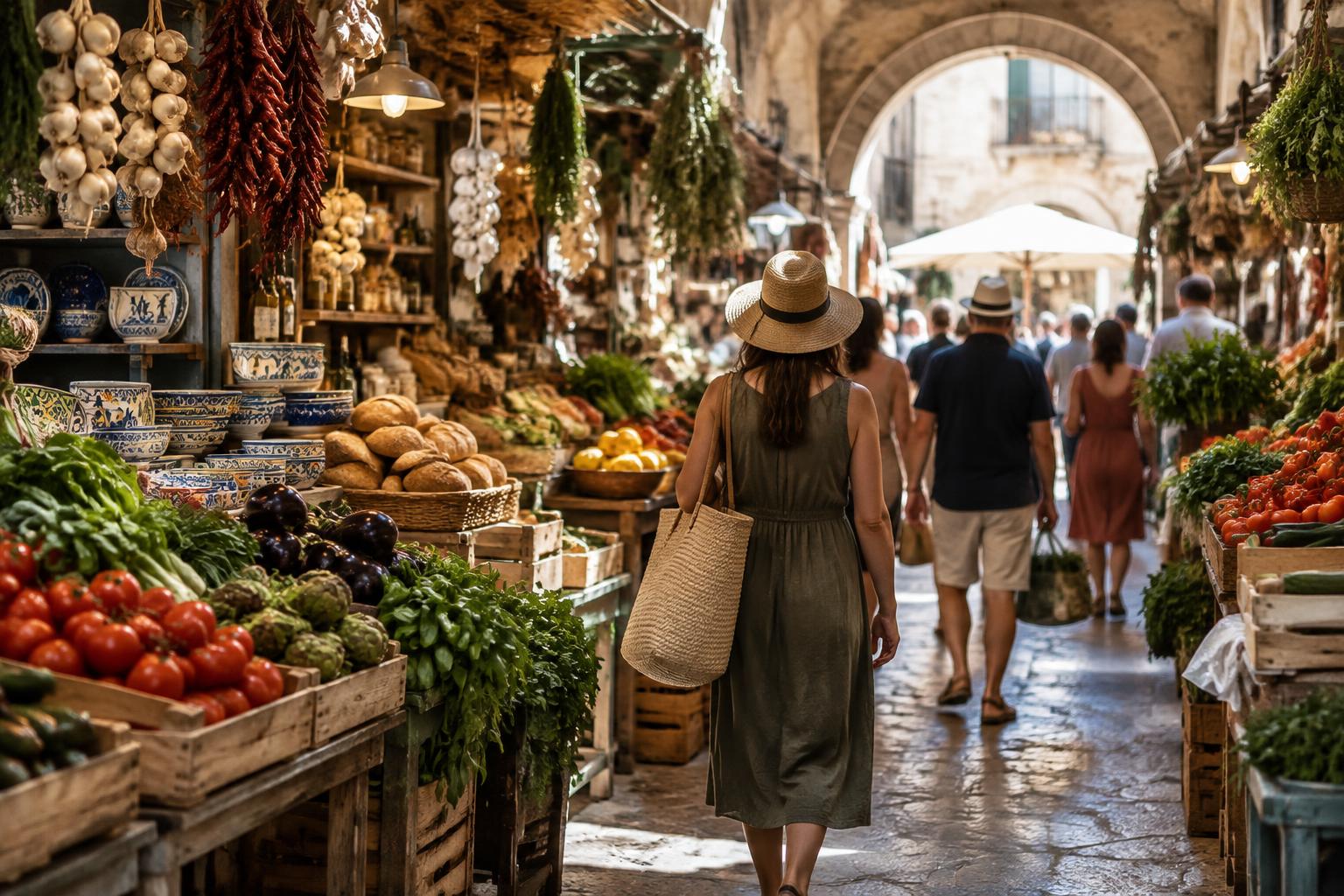
Cooking two meals a day is not a sacrifice when the market is good. In a town with a real produce market, breakfast and dinner at home and one proper meal out costs less than three mediocre restaurant meals and tastes better. It also gives you a reason to visit the market, which is the single best free attraction in most towns.
The hidden benefit is repetition. Going to the same bakery five mornings in a row changes how you are treated. You get recommendations that are not in any guide, and occasionally an invitation. That is not something you can buy at any price, and it only appears after the third or fourth visit.
To see how this works in practice, take a hypothetical fourteen night trip. Split across seven stops, it involves six transfers, each with a ticket, a checkout, a wait and a check-in. Spend the same nights in two bases and you have one transfer. The exact savings depend on the destination and season, but the direction is consistent: fewer moves means fewer transport costs and fewer wasted half days.
Use day trips instead of changing hotels. From a well-connected base you can visit nearby towns and return to the same bed, without repacking or working around checkout times. Regional trains and buses are often cheaper than long-distance transfers, and you carry only a day bag.
Ask about longer stay rates. Some guesthouses and apartments offer weekly or monthly prices, and asking directly, politely and in advance, is worth doing even where none is advertised. A kitchen and a washing machine also reduce spending on meals and laundry, which quietly add up over a longer trip.
Compare transport passes once you know your routine. After a few days, check whether a weekly or multi-day pass would have cost less than the single tickets you have actually bought. Do not buy a pass on the first day when you cannot yet predict how much you will travel.
Track spending in a simple way. Decide a daily amount for food, local transport and activities, separate from accommodation. Review it after three days and adjust. This gives you an honest picture rather than a vague feeling that the trip is either expensive or cheap.
Be realistic about the limits. Slow travel is not always cheaper. In a very expensive city a long stay can still cost a lot, high season can remove any discount on longer bookings, and if you need to work while you travel you must check the quality of the internet connection before committing. The approach works best when you choose a base with reasonable prices and good connections.
Slow travel is not about doing less. It is about spending your budget on being somewhere rather than on the act of getting there.