Travel Planning
Build a Day Itinerary That Can Survive Real Life
By Daniel Reyes · 17 February 2026 · 1 min read
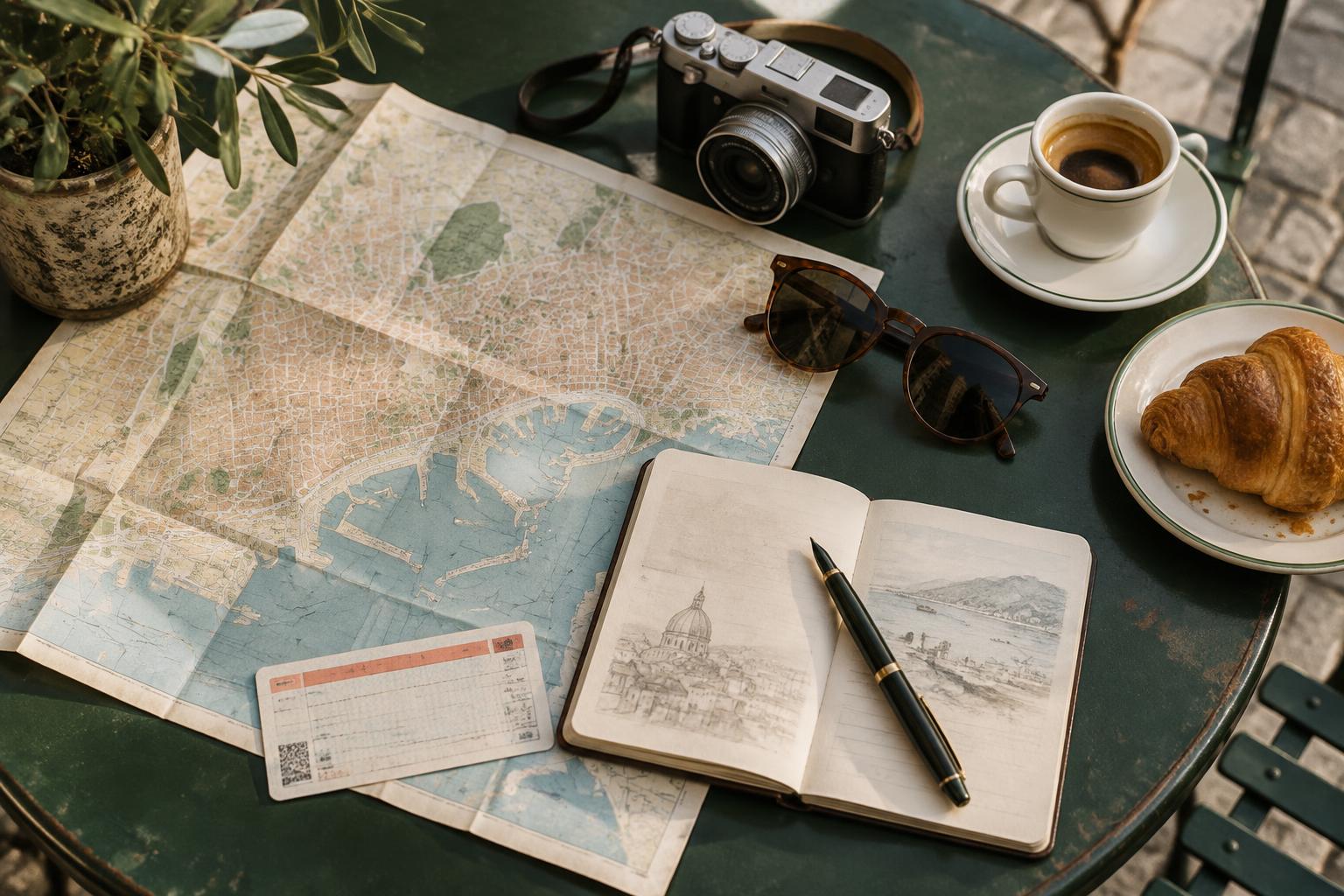
The best day plans are not lists of attractions. They are simple routes with one priority, a sensible meal and enough spare time to absorb the delays and discoveries that make travel memorable.
Choose one fixed point first. It might be a museum with timed entry, a market that closes at lunch or a train you cannot miss. Put that on the page and build around it. Two fixed bookings in different parts of a city can make the hours between them feel like a commute.
Group the rest by geography. Pick one neighbourhood or one side of the river and stay there for half a day. Moving across a city consumes more attention than the map suggests: finding platforms, waiting, orienting yourself and recovering from a wrong turn all take time.
Match the demanding activity to your energy. If you enjoy museums most in the morning, do not spend your clearest hours shopping simply because the route appears tidy. Put the activity you care about where you are most likely to enjoy it, then let logistics follow.
Plan one meal, not three. Know where you would like to have lunch or dinner and keep the other meals flexible. This prevents every transition from becoming a search for food while leaving room to follow a recommendation or stop somewhere that looks good.
Add a nearby alternative for the main activity. It should work in bad weather, with a queue, or when the place is unexpectedly closed. A small museum, covered market or quiet cafe in the same area is more useful than a famous backup across town.
Finally, remove one item. A day that looks slightly empty on paper often feels full once walking, coffee and unplanned stops are included. The spare hour is not wasted time. It is what keeps a delayed opening or a long lunch from turning the rest of the day into a race.